If you are searching for Schema Therapy in Brisbane, you may already recognise that your difficulties are not simply "situational."
Many adults seek therapy after noticing recurring patterns in relationships, work, emotional reactions, or self-beliefs that feel entrenched and difficult to shift. Schema Therapy is specifically designed to address these longstanding emotional themes at their root.
At our Brisbane practice, Schema Therapy is delivered within a structured, evidence-based clinical framework tailored to adults.
What Is Schema Therapy?
Schema Therapy is an integrative psychological treatment developed to address deep-seated emotional patterns that often originate in childhood or adolescence.
These enduring themes are known as schemas: broad belief systems about:
The self "I am inadequate."
Others "People will leave or hurt me."
The world "I must stay in control."
Schemas influence how we interpret experiences, respond under stress, and relate to others. When maladaptive schemas are activated, emotional reactions can feel disproportionate or automatic.
Schema Therapy works to identify, understand, and gradually modify these patterns in a structured and collaborative way.
When Is Schema Therapy Helpful?
Schema Therapy in Brisbane is particularly appropriate for adults experiencing:
Rather than focusing solely on symptom reduction, Schema Therapy addresses the pattern beneath the symptom.
Core Emotional Needs and Early Development
Schema Therapy is based on the understanding that all individuals have fundamental emotional needs, including:
- Safety and stability
- Secure attachment
- Autonomy and competence
- Realistic limits and self-discipline
- Freedom to express emotions
When these needs are not consistently met during development, maladaptive schemas may form. These schemas can then guide behaviour and emotional responses well into adulthood.
Treatment focuses on helping individuals meet these needs in healthy, adaptive ways.
Schema Modes: Why Reactions Can Feel Sudden
In Schema Therapy, schema modes refer to the moment-to-moment emotional states people shift into when schemas are triggered.
Clients often describe these shifts as:
"I suddenly felt small."
"I completely shut down."
"I became extremely critical of myself."
"I reacted more strongly than I meant to."
Common modes include:
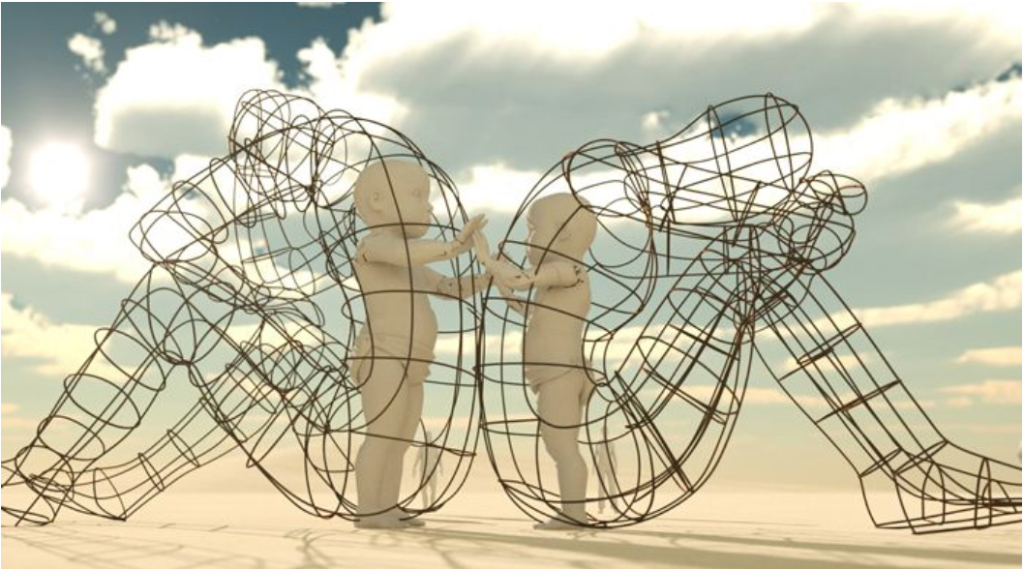
Vulnerable Child
Feelings of fear, shame, sadness, or emotional deprivation.
Detached Protector
Emotional withdrawal, overworking, distraction, or numbing.
Overcompensator
Perfectionism, control, dominance, or excessive achievement.
Punitive or Demanding Parent
Harsh self-criticism or rigid internal standards.
Healthy Adult
The balanced, reflective part of self capable of emotional regulation, boundary-setting, and thoughtful decision-making.
The goal of Schema Therapy is to strengthen the Healthy Adult mode while reducing the influence of maladaptive modes.
How Schema Therapy Works
Schema Therapy integrates cognitive, behavioural, experiential, and relational techniques. Treatment typically involves:
Assessment and Formulation
Mapping core schemas, coping styles, and mode patterns.
Cognitive Restructuring
Examining and testing longstanding beliefs.
Experiential Techniques
Including imagery rescripting and chair dialogues to process emotionally significant experiences safely.
Behavioural Pattern-Breaking
Developing and practising new relational and coping responses.
Corrective Therapeutic Relationship
The therapeutic alliance provides consistent validation, structure, and boundaries, supporting emotional change.
This comprehensive approach allows change to occur cognitively, emotionally, and behaviourally.
Schema Therapy and ADHD in Adults
Many adults with ADHD develop secondary emotional patterns over time, including:
Schema Therapy does not replace evidence-based ADHD treatment (such as medication or executive functioning strategies). Instead, it complements it by addressing the emotional and identity-related patterns that may accompany attentional difficulties.
For adults seeking ADHD assessment in Brisbane, Schema Therapy can be integrated into ongoing treatment where appropriate.
Schema Therapy for Trauma and Personality Disorders
Schema Therapy has demonstrated effectiveness in the treatment of:
It is particularly suited to individuals seeking structural, long-term change rather than brief symptom management.
Working With a Schema Therapist in Brisbane
At our Brisbane practice, Schema Therapy is delivered within a structured, formulation-driven framework. Treatment is collaborative, paced carefully, and aligned with evidence-based clinical standards.
Appointments are available for adults seeking: